
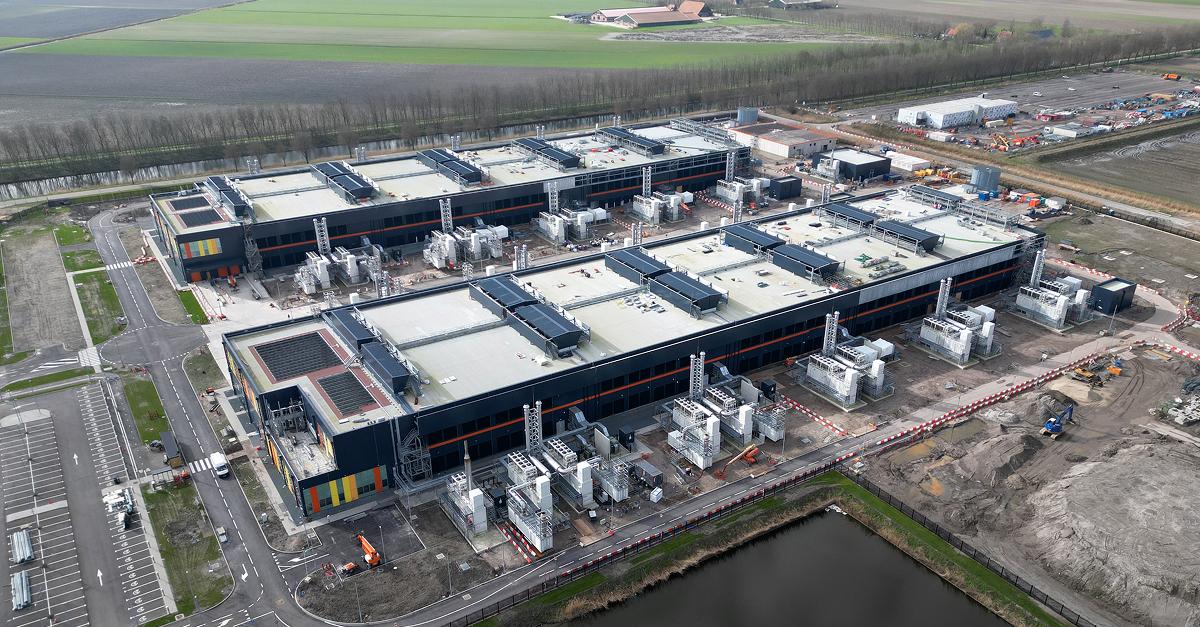
General contractors are making financial commitments earlier than ever on today’s data center construction projects—often before a contract is even signed. Pre-contract procurement in this market requires critical equipment to be secured much earlier in the project lifecycle than for older sectors. Transformers, switchgear, generators, and other electrical components are carrying lead times far beyond what most accounting platforms were built to manage. To protect schedules, contractors are often placing purchase orders during preconstruction.
Operationally, this approach makes sense. Financially, it creates a blind spot. These early commitments are real obligations, yet they often sit outside the project’s financial baseline—missing from budgets, committed costs, and forecasts. In practice, those committed costs often exist long before they appear in financial reporting. As a result, projects can begin with a financial baseline already out of sync with reality. While committed costs in construction have long been the foundation for financial visibility, they depend on one critical assumption: that commitments are captured only after a project is established in the financial system.
Pre-Contract Procurement in Construction Moves Ahead of Finance
Construction accounting management has traditionally followed a predictable sequence: estimate the job, win the contract, establish the budget, and then begin procurement. Most financial systems still assume that order and recognize costs only after a job is formally set up. That sequence no longer holds on large data center projects. Contractors end up committing millions during preconstruction because waiting is no longer realistic.
Procurement timelines for critical electrical components have expanded from roughly 50 weeks to as much as 120 weeks, with some high-voltage equipment stretching even further. The result is a build cycle that forces purchasing decisions earlier—often before financial structures are fully in place—leaving finance teams trying to catch up.
The Bid-to-Buyout Problem
For Chief Estimators, the issue begins before construction even starts. Estimates are built around assumptions tied to timing, pricing, and scope; but when long-lead equipment must be secured earlier than expected, those assumptions begin to break down. Supplier pricing shifts, buyout accelerates, and equipment is ordered before the budget is fully established in the system.
If those early commitments are not tied back to the project budget in real time, the baseline starts out wrong. The approved budget may still reflect the original estimate, but the project has already taken on obligations that materially change the financial picture. The gap between bid assumptions and buyout commitments—often reflected as margin fade—remains hidden. Without integration between estimating and financial management, that difference is only measured in hindsight.
The CFO’s Problem: Exposure Without Visibility
Purchase orders for transformers and generators represent real financial commitments, even if the invoice will not arrive for 18 to 24 months. But when those POs are issued before the project is established in the financial system, they do not appear in standard reporting. Forecasts understate obligations, and margins appear stronger than they are—creating a form of “phantom margin” that builds quietly—and often invisibly—over time. Then the invoice lands and it appears to be a budget variance. In reality, the obligation existed all along—the business simply lacked visibility.
Why Contractors Can’t Pre-Contract Blind Spots
Treating these blind spots in your accounting as a short-term disruption can be risky. These financial lags in pre-contract procurement reflect a structural shift in how data center construction projects are being delivered. The 2025–2026 construction peak is front-loading procurement decisions—pushing contractors to secure equipment before contract details, budgets, and reporting structures are fully in place. At the same time, transformer scarcity and broader electrical equipment constraints are extending procurement timelines even further. Industry data, including recent DPR Construction market reports, points to structural supply deficits and regulatory changes driving a “power-first” approach to project design. Contractors are making high-value purchasing decisions earlier out of necessity, not preference.
Closing the Gap
At its core, this is a system limitation more than a communication problem. Traditional construction financial systems were not designed to capture committed costs during preconstruction before the job is live in the system. Contractors are addressing this by connecting estimating, procurement, and financial management into a single ecosystem—eliminating re-entry and capturing commitments at the moment when they are made.
Platforms like Sage Intacct Construction support this approach by bringing budgets, contract values, and early purchase orders into a unified financial view. Sage Construction Management also tracks committed costs, anticipated costs, RFP packages, purchase orders, and bills—helping contractors maintain full visibility long before costs appear in traditional financial reporting.
What This Means for Contractors
Pre-contract procurement isn’t the problem, it’s simply the cost of staying competitive for today’s data center construction projects. The real challenge is relying on financial systems that fail to capture those commitments when they occur. When early purchase orders sit outside the financial framework, reporting becomes a lagging indicator. That disconnect reduces visibility, distorts margin expectations, and limits a contractor’s ability to make informed, real-time decisions.
At SWK Technologies, we help construction firms close that gap. If preconstruction commitments are creating blind spots in your financials, it’s time to address it. Schedule a conversation with SWK Technologies to see how Sage Intacct and Sage Construction Management can give your team real-time visibility into committed costs—before they impact margins.